Bloodwork and Diagnostics
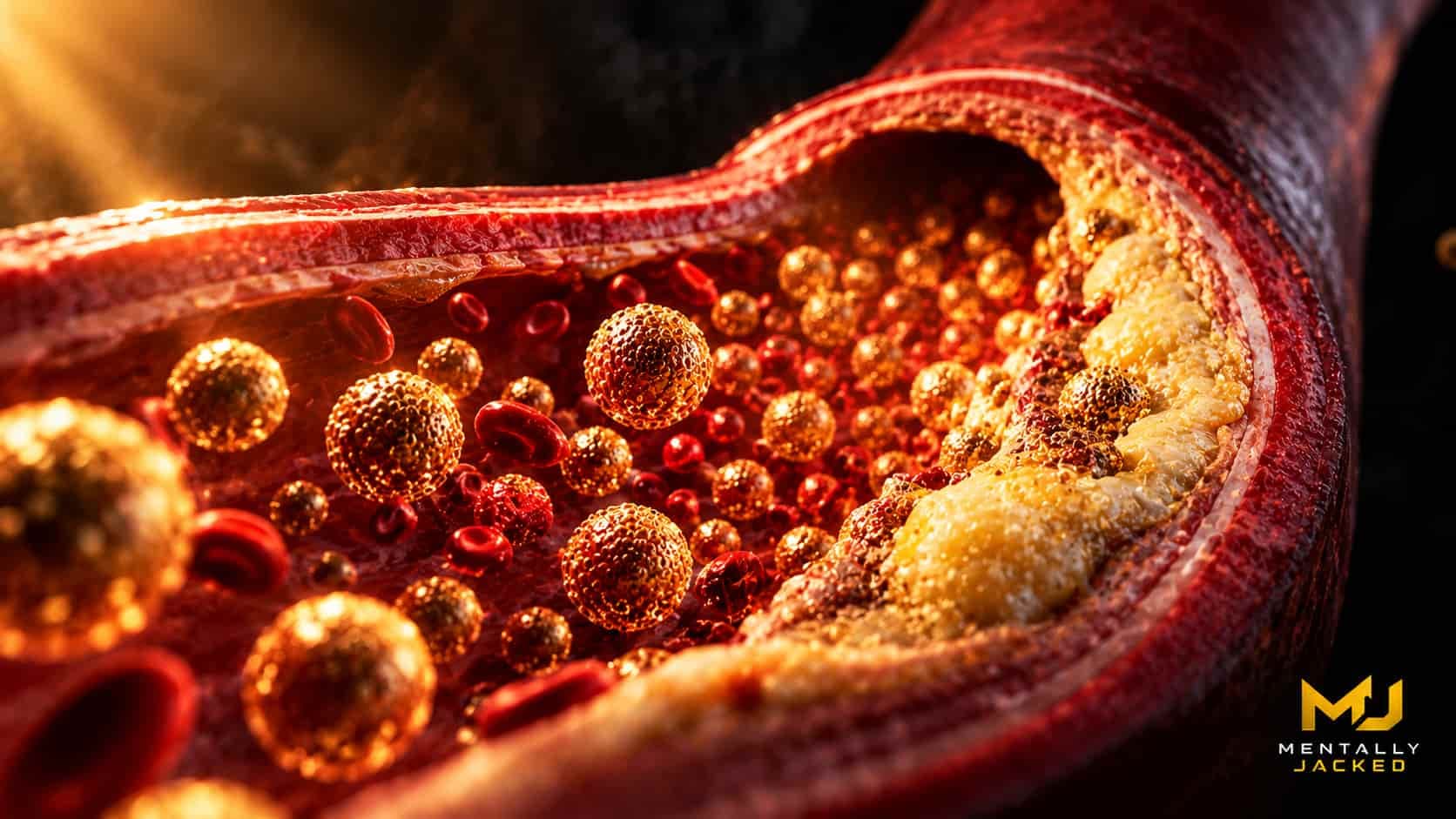
A lifter gets bloodwork done on a Monday after a heavy week. ALT and AST come back flagged high, sometimes two or three times the upper limit. The report suggests liver damage.
Often his liver is fine. Both enzymes are found in muscle as well as liver, and a hard training session releases them into the blood for days. It is the same trap as creatinine: a lab value built for the general population, misread in people who train.
Alanine aminotransferase (ALT) and aspartate aminotransferase (AST) are enzymes found inside cells. When cells are damaged or stressed, the enzymes leak into the bloodstream and the blood level rises.
ALT is found mainly in the liver, which is why it is treated as the more liver-specific of the two. But it is also present in skeletal muscle. AST is found in the liver and also in considerable amounts in muscle, including heart muscle.
So a raised level tells you that cells somewhere are releasing enzymes. On its own, it does not tell you which cells.
A 2008 study by Pettersson and colleagues put healthy men who were not used to weight training through a single demanding session. Their ALT and AST rose significantly and stayed raised for at least seven days, at levels that would ordinarily prompt investigation of the liver. Their livers were healthy. The enzymes came from muscle.
The effect is largest after unaccustomed training, heavy eccentric work, very high volume, or a new programme. Experienced lifters adapt somewhat, but a brutal session can still move the numbers.
Creatine kinase (CK) is an enzyme concentrated in muscle. When muscle is damaged, CK rises sharply.
CK is cheap and rarely included by default. If you train hard and your liver enzymes are raised, asking for it is the single most useful next step.
GGT (gamma-glutamyl transferase) is found in the liver and bile ducts but not meaningfully in muscle. A raised GGT points toward the liver, and it is particularly sensitive to alcohol.
Alkaline phosphatase (ALP) rises with problems in bile flow, and also with bone turnover. It is one of the nine markers in the biological age calculator, which is one more reason a heavy training week before a panel can skew more than one result.
Reading the pattern across markers is what separates muscle from liver:
The bloodwork analyzer reads these markers together, which is how the source becomes clear. Flagging ALT in isolation is how healthy lifters end up worried.
Muscle is a common explanation in people who train, not an automatic one. Real liver causes worth ruling out:
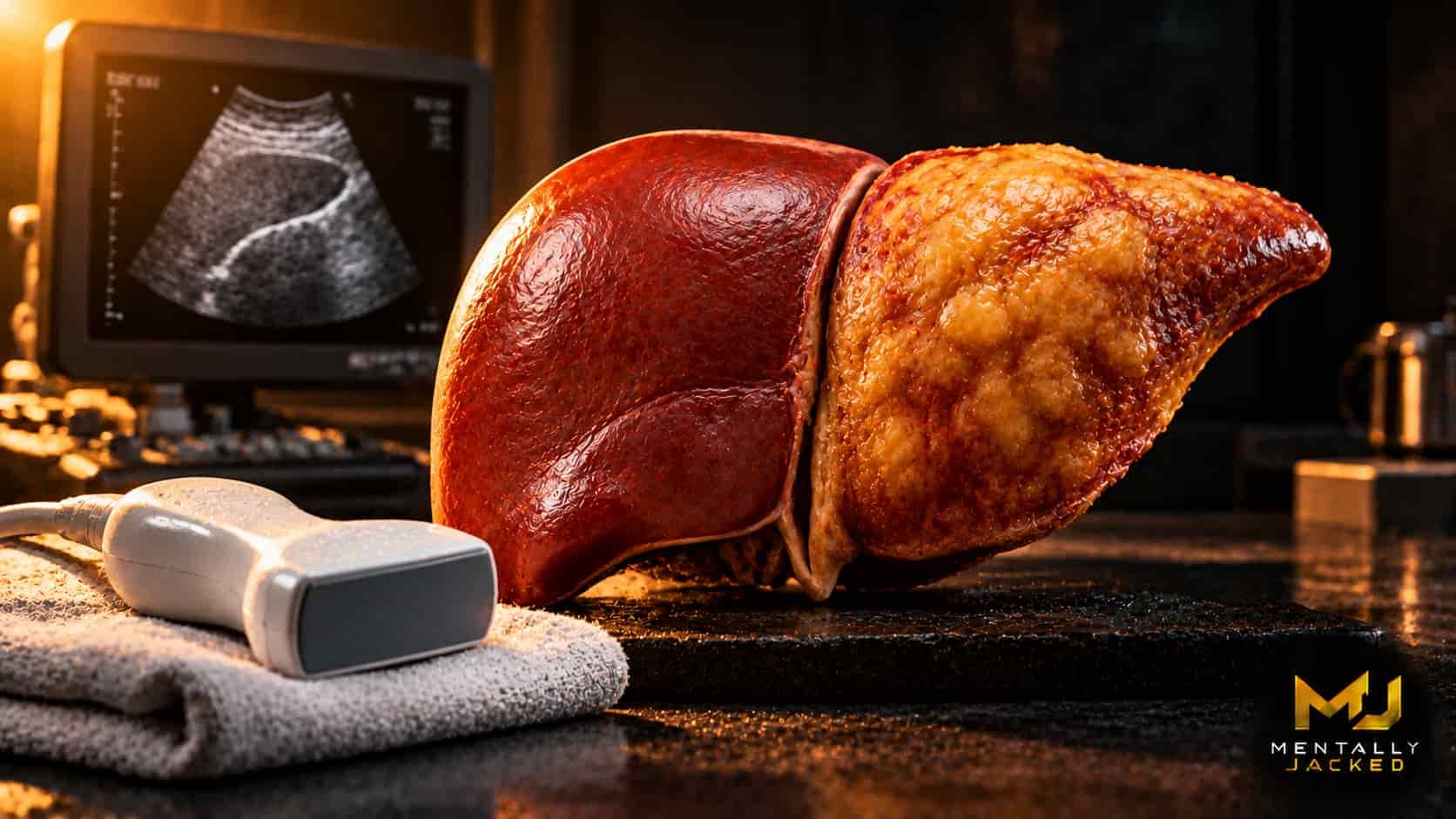
Fatty liver disease. Now called metabolic dysfunction-associated steatotic liver disease, it is extremely common in India and closely tied to waist fat and insulin resistance. It usually raises ALT more than AST, and it often causes no symptoms at all.
Alcohol. Raises GGT, and typically AST more than ALT.
Oral anabolic steroids. Most oral anabolic steroids are chemically modified at the 17-alpha position so they survive passage through the liver, and that modification is what makes them hepatotoxic. They can cause cholestasis, a slowing of bile flow, and in rare cases more serious liver injury. Injectable compounds are generally far less directly harmful to the liver.
Medications and supplements. High doses of paracetamol, some antibiotics and several herbal supplements can raise liver enzymes.
Viral hepatitis. Hepatitis B and C remain important causes and are simple to test for.
No supplement fixes the cause. If the problem is alcohol, fatty liver or oral steroids, removing the cause is the treatment, and anything else is secondary.
That said, a small number of compounds have a genuine rationale. TUDCA, a bile acid, has clinical use in some cholestatic liver conditions, and NAC replenishes glutathione, the liver's main antioxidant. If you want those two in a product that states the dose of each rather than hiding them in a blend, God of Supps makes one, Invictus Liver, built around both. It is support alongside removing the cause, not a licence to keep the cause going.
If you want a result that reflects your liver rather than your last session:
The blood test selector adds CK and GGT when your reason for testing calls for them.
Do not wait if raised liver enzymes come with yellowing of the skin or eyes, dark urine, pale stools, abdominal pain, severe fatigue or itching, or if levels are very high or keep rising on retest after rest. Those need medical assessment, whatever your training history.
ALT and AST are found in muscle as well as liver, and hard training can raise them for a week or more. Check CK to identify a muscle source and GGT to point at the liver. Test after five to seven days without hard training or alcohol, and if the liver is genuinely involved, deal with the cause first.
Yes. Both enzymes are present in muscle, and demanding training, particularly unaccustomed weight training, can raise them significantly for a week or more in people with healthy livers.
Research on unaccustomed weight training found ALT and AST stayed raised for at least seven days. Avoiding hard training for five to seven days before testing gives a cleaner result.
Test creatine kinase and GGT. A high CK suggests a muscle source. A raised GGT with a normal CK points toward the liver.
Reference ranges vary by laboratory, commonly with an upper limit somewhere around 40 to 55 U/L for men. Compare against the range on your own report.
Oral anabolic steroids modified at the 17-alpha position are hepatotoxic and can cause cholestasis and, rarely, serious liver injury. Injectable compounds are generally much less directly harmful to the liver.
Address the cause: rest from hard training if the source is muscle, cut alcohol, lose waist fat if fatty liver is present, and stop hepatotoxic drugs. Supplements are at most secondary support.
This article is educational and is not medical advice. See the medical disclaimer.
Want a programme built around your own numbers?
Work With Dinesh
Bloodwork and Diagnostics
Bloodwork and Diagnostics
Bloodwork and Diagnostics
Newsletter
One email when a new guide, calculator or breakdown goes live. Nothing else.