Nutrition and Supplementation
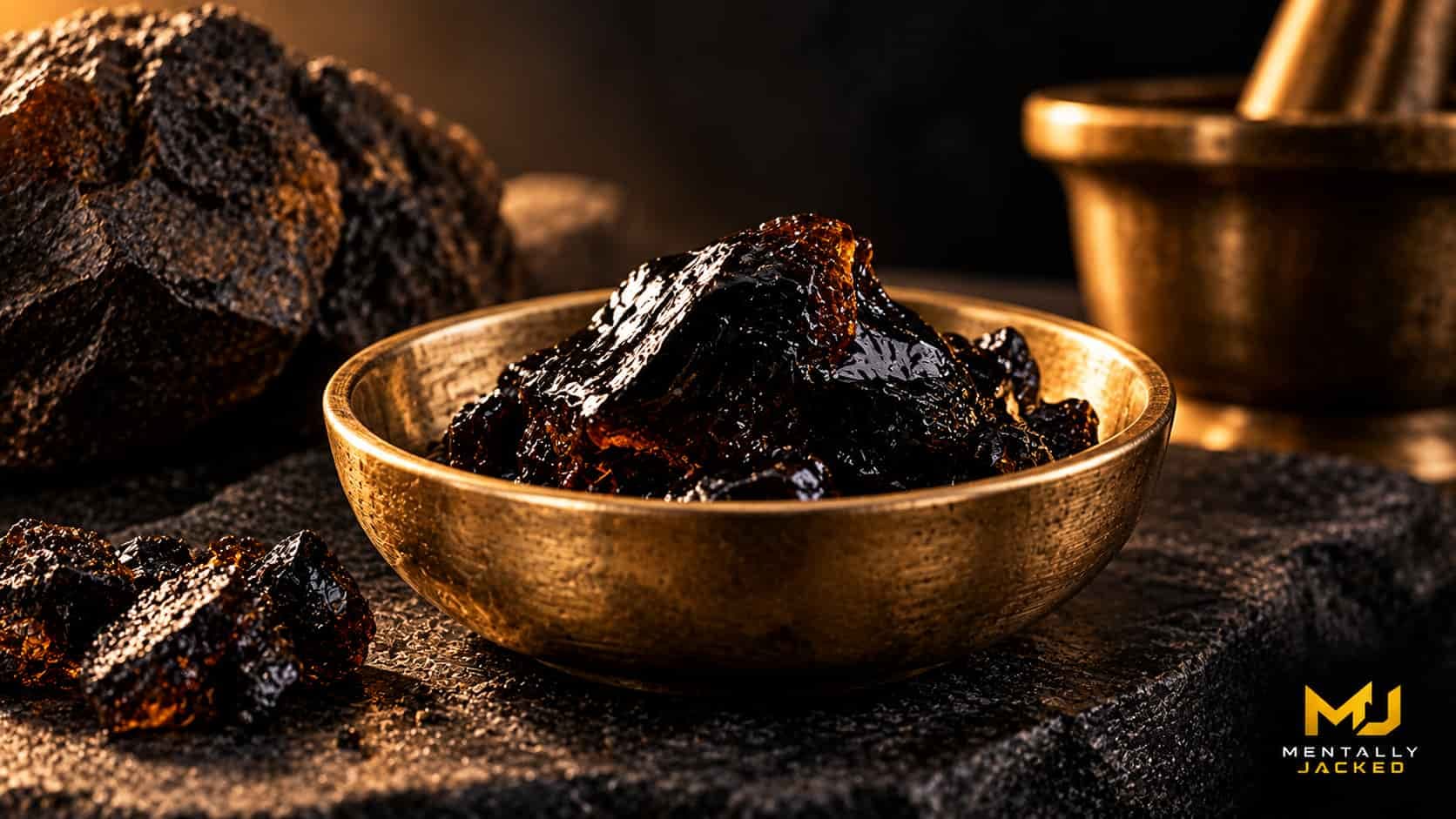
Shilajit is a sticky, tar-like resin that seeps from rock faces in high mountain ranges, most famously the Himalayas. It has been used in Ayurveda for centuries, and it has become one of the best selling supplements in India.
It is also one of the most faked and one of the most contaminated. Before thinking about benefits, you need to know what you are actually buying.
Shilajit forms over very long periods from the decomposition of plant matter trapped in rock. The resin is a complex mixture, and the components most discussed are:
The composition changes with where it came from and how it was processed, which is why standardisation, usually to a stated fulvic acid percentage, matters so much.
The human evidence is limited, and most of it comes from a small number of trials using one purified, standardised extract. It is more promising than for many herbal products, and still early.
Testosterone. A 2016 trial in healthy men aged 45 to 55 found that purified shilajit taken twice daily for 90 days raised total testosterone by around 20 percent compared with placebo. That is one small trial in middle-aged men, not proof of a large effect in younger men with normal levels.
Fertility. A small study in men with low sperm counts reported improvements in sperm count and motility after 90 days.
Fatigue and strength. A trial in active men found that shilajit helped them retain maximal strength after a fatiguing exercise protocol.
The pattern: small trials, one main standardised extract, modest effects. Worth taking seriously. Not worth the extravagant marketing that surrounds it.
If testosterone is your real concern, measure it before and after rather than relying on how you feel. The blood test selector builds the right panel, including SHBG.
This is the part that matters most, and it is rarely on the product page.
Raw, unprocessed shilajit can contain heavy metals, including lead, arsenic and mercury, along with fungal toxins and other contaminants picked up from rock and the environment. Traditional texts themselves describe purification as essential before use.
Heavy metal exposure is not a theoretical concern. It accumulates in the body and is associated with kidney, nerve and cardiovascular harm. Taking an untested raw resin daily for months is exactly the wrong way to use this product.
Adulteration is the other problem. Cheap products have been found to contain other resins, tar-like substances or fillers made to look and feel like the real thing.
Online you will find a set of tests said to prove shilajit is genuine:
None of these can detect heavy metals, and none reliably detects adulteration. A resin can pass every one of them and still contain lead. Some fakes are made specifically to pass them.
The only meaningful checks happen in a laboratory: a certificate of analysis showing tested heavy metal levels, and a stated fulvic acid standardisation.
Resin, powder and capsule forms can all be legitimate if the testing is there. The form matters much less than the paperwork. If a shilajit product cannot state its fulvic acid content and show heavy metal testing, do not take it.
If you take shilajit long term and have regular bloodwork, keep an eye on kidney and liver markers. The bloodwork analyzer reads them together rather than one at a time.
If a seller says their shilajit is tested, ask for the certificate and check that it includes:
A document with no batch number, no laboratory name, or only the word passed in place of actual numbers tells you very little. A seller who cannot produce one at all has answered the question for you. Good manufacturers expect to be asked.
Shilajit has some promising early human evidence, mostly from one standardised extract, for testosterone in middle-aged men, fertility and fatigue. Raw resin can contain heavy metals, and the popular home purity tests cannot detect them. Buy only purified, standardised products with published heavy metal testing, or do not buy it at all.
Small human trials, mostly using one standardised extract, suggest possible benefits for testosterone in middle-aged men, sperm quality in men with low counts, and retaining strength after fatigue. The evidence is promising but limited.
Not with home tests. Dissolving, softening and flame tests cannot detect heavy metals or reliably detect adulteration. Look for a stated fulvic acid standardisation and a certificate of analysis showing heavy metal testing.
Purified, tested shilajit appears reasonably well tolerated in short trials. Raw or untested shilajit can contain lead, arsenic and mercury, which is the main safety concern.
One small trial in healthy men aged 45 to 55 found an increase of around 20 percent over 90 days using a purified extract. That does not establish a large effect in younger men with normal levels.
The form matters less than purification, standardisation and heavy metal testing. Resin, powder and capsules can all be legitimate if properly tested.
Pregnant and breastfeeding women, people with iron overload conditions or kidney disease, and anyone on regular medication without first checking with a doctor.
This article is educational and is not medical advice. See the medical disclaimer.
Want a programme built around your own numbers?
Work With Dinesh
Newsletter
One email when a new guide, calculator or breakdown goes live. Nothing else.