Hormones and Endocrine Health
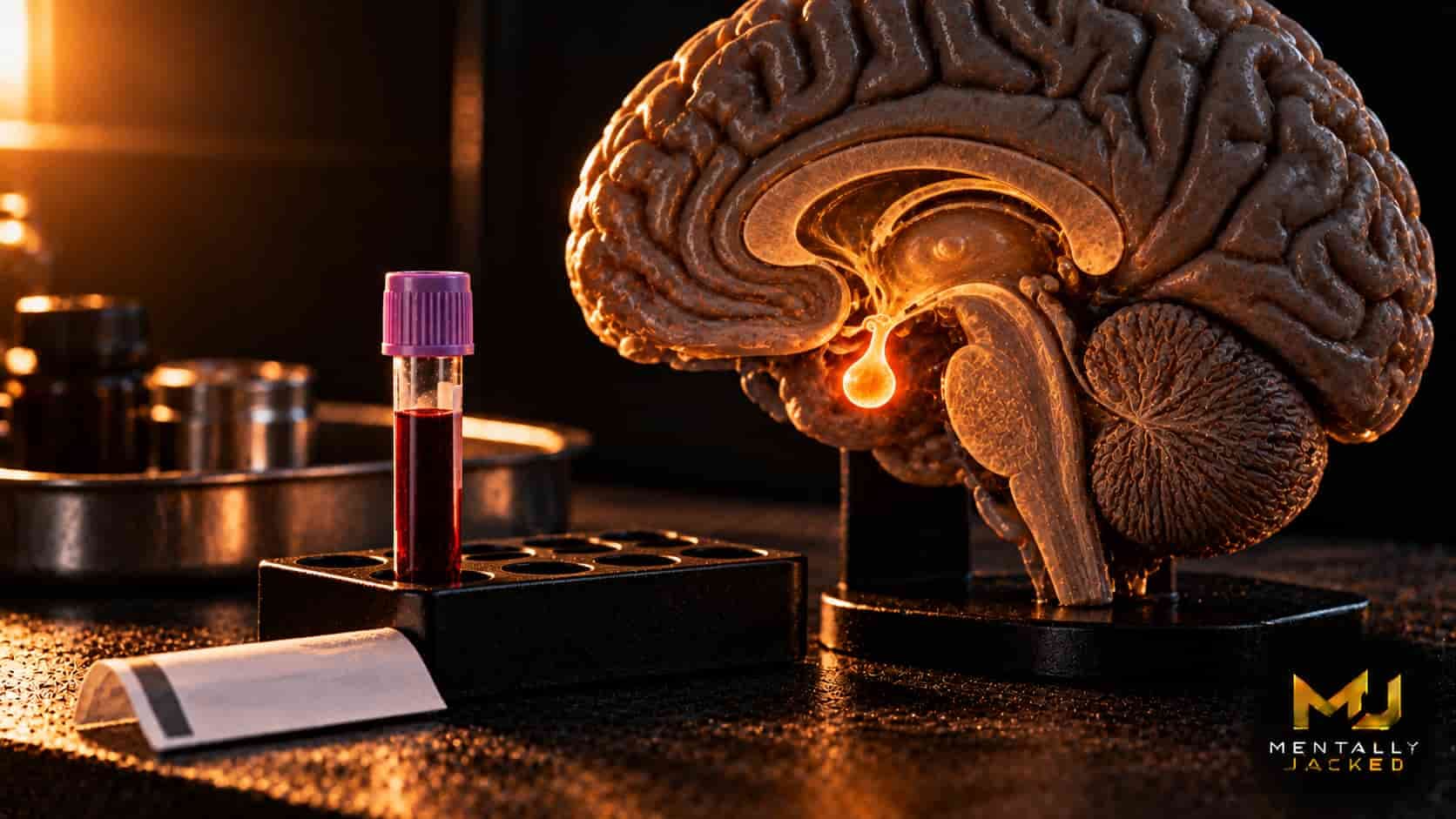
A man with low libido, softer erections and a flat mood gets his testosterone tested. It comes back low-normal. He is offered testosterone, or he buys something to raise it. Nobody tests prolactin, and prolactin was the cause.
This happens often enough that prolactin belongs on every male hormone panel, and the enhanced side has a specific reason to care about it. Here is what it is, what raises it, and how to read it.
Prolactin is made in the pituitary gland. In women it drives milk production. In men its role is less obvious, but it is there, and when it rises it suppresses the signal from the hypothalamus that drives testosterone production. High prolactin means low LH, which means low testosterone, which means the symptoms that get blamed on testosterone alone.
It is held in check by dopamine. Anything that lowers dopamine signalling, or anything that stimulates the pituitary directly, raises it. Normal is roughly 2 to 18 ng/mL in men, with some variation between labs.
Most men with mildly raised prolactin have the first three and nothing else. The ED root cause finder includes prolactin among its eight mechanisms because a raised level explains a surprising number of cases in men under 40 where the arteries are fine.
The medication list is longer than most people expect. Domperidone, sold freely in India for nausea and reflux, is one of the most potent prolactin-raising drugs in common use.
Nandrolone and trenbolone are 19-nortestosterone derivatives. They aromatise little, but they act on the progesterone receptor and, in many users, raise prolactin. That combination is the mechanism behind the libido crash and erectile problems associated with nandrolone, which has its own nickname in gym culture.
The evidence for how much these compounds raise prolactin is thinner than the folklore suggests, and oestradiol seems to be part of the picture in many cases. What is clear is that prolactin should be tested before a 19-nor compound is started and again a few weeks in. The reflex of adding cabergoline to every nandrolone cycle without a prolactin result is treating a number nobody has measured. The oestrogen and AI dose calculator exists because a raised oestradiol drives prolactin up, and controlling the first often brings the second down without a dopamine agonist.
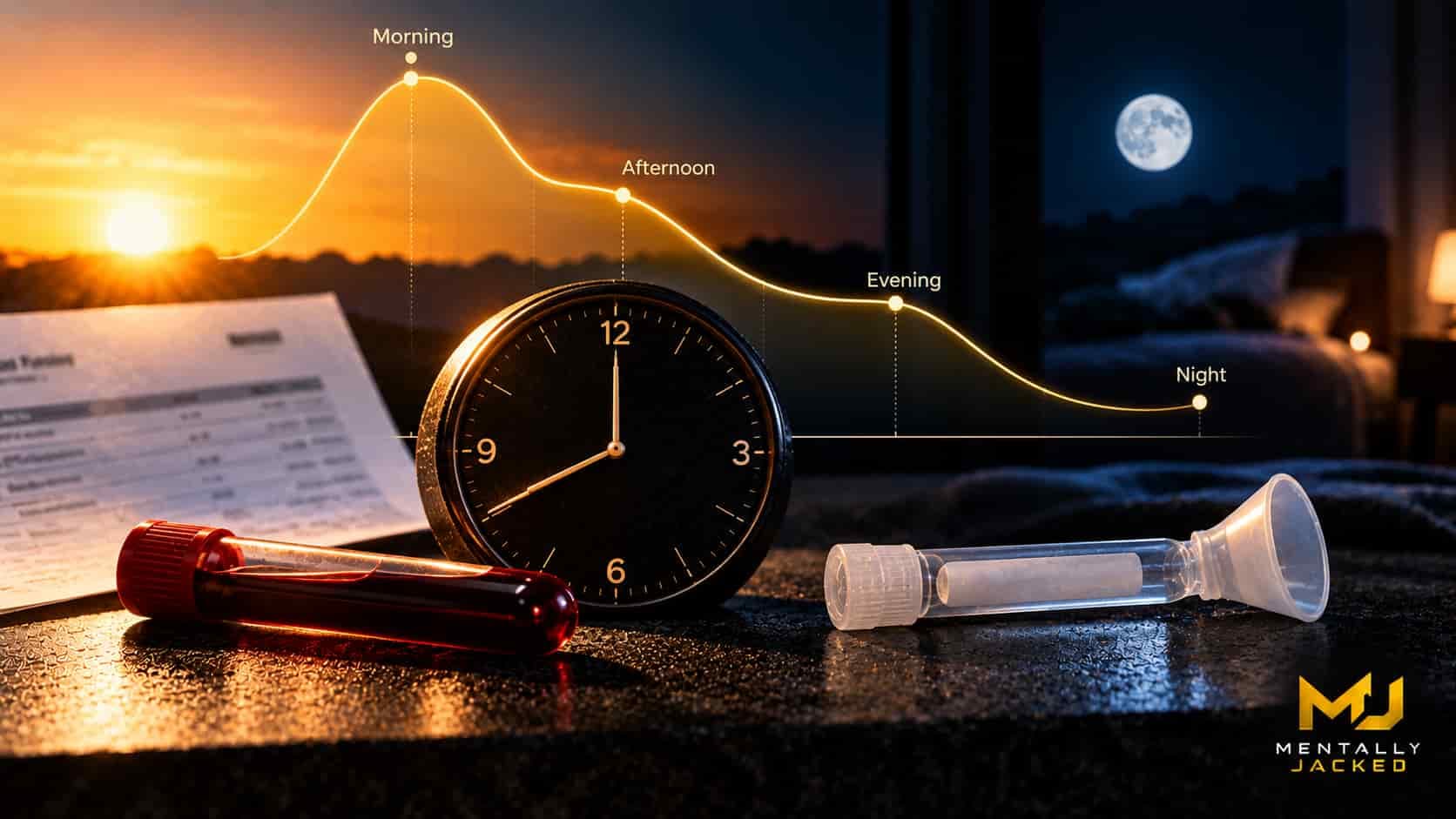
Prolactin is one of the easiest hormones to measure wrongly. It rises with stress, sleep, exercise, sex, nipple stimulation, a large meal and the needle itself.
Test alongside TSH, total testosterone, LH, FSH and oestradiol. The blood test selector adds prolactin whenever the reason for testing is low libido, erectile problems or a 19-nor compound, and adds the macroprolactin check when a first result comes back raised.
A mildly raised prolactin with low testosterone and low LH is the pattern that matters, because it shows the prolactin is doing something. The bloodwork analyzer reads those three together with oestradiol and TSH, which is how a prolactin cause is separated from a testicular one.
Remove the cause first. Stopping a prolactin-raising medication, treating an underactive thyroid, or dropping the 19-nor compound resolves most mild cases within weeks.
Where a dopamine agonist is needed, cabergoline at 0.25 to 0.5 mg once or twice a week is the standard, under a doctor. It works quickly and well. It also carries a heart valve concern at the high doses once used for Parkinson's disease, and its use in gyms as a libido or "refractory period" drug at doses nobody is monitoring is not a good idea.
Prolactinomas are treated with the same drug and shrink in most cases without surgery. Vitamin B6 and vitamin E have small studies suggesting minor reductions. Neither replaces a dopamine agonist where one is needed.
Any prolactin above 50, a raised result with headaches or vision changes, discharge from the nipple, or a raised level that persists after removing the obvious causes. Those need an endocrinologist and, above 100, an MRI of the pituitary.
Prolactin suppresses testosterone through LH, and a mildly raised level explains low libido and erectile problems in many men whose testosterone was blamed. Medications, stress, thyroid, macroprolactin and 19-nor compounds are the common causes. Test it properly, morning and rested, alongside LH and oestradiol. Remove the cause before reaching for cabergoline, and investigate anything above 50.
Low libido, erectile dysfunction with fewer morning erections, low testosterone with low LH, fatigue and low mood. Breast tenderness, discharge, headaches and vision changes appear in fewer cases and usually with higher levels.
Roughly 2 to 18 ng/mL, with some variation between labs. Levels between 20 and 50 are usually stress, medication, thyroid or macroprolactin. Above 100 suggests a pituitary adenoma.
Yes. Prolactin suppresses the hypothalamic signal that drives LH, and low LH means low testosterone. The pattern of low testosterone with low LH and raised prolactin points to prolactin as the cause.
Antipsychotics, metoclopramide, domperidone, some antidepressants, opioids and verapamil are the common ones. Domperidone, widely sold in India for nausea and reflux, is among the most potent.
It can, through its action on the progesterone receptor and through oestradiol. The effect varies between users and should be measured rather than assumed before any dopamine agonist is used.
Remove the cause: stop prolactin-raising medications where possible, treat an underactive thyroid, sleep properly and control oestradiol. Vitamin B6 has weak evidence for small reductions. Levels that stay raised need a doctor and, where indicated, cabergoline.
This article is educational and is not medical advice. See the medical disclaimer.
Want a programme built around your own numbers?
Work With Dinesh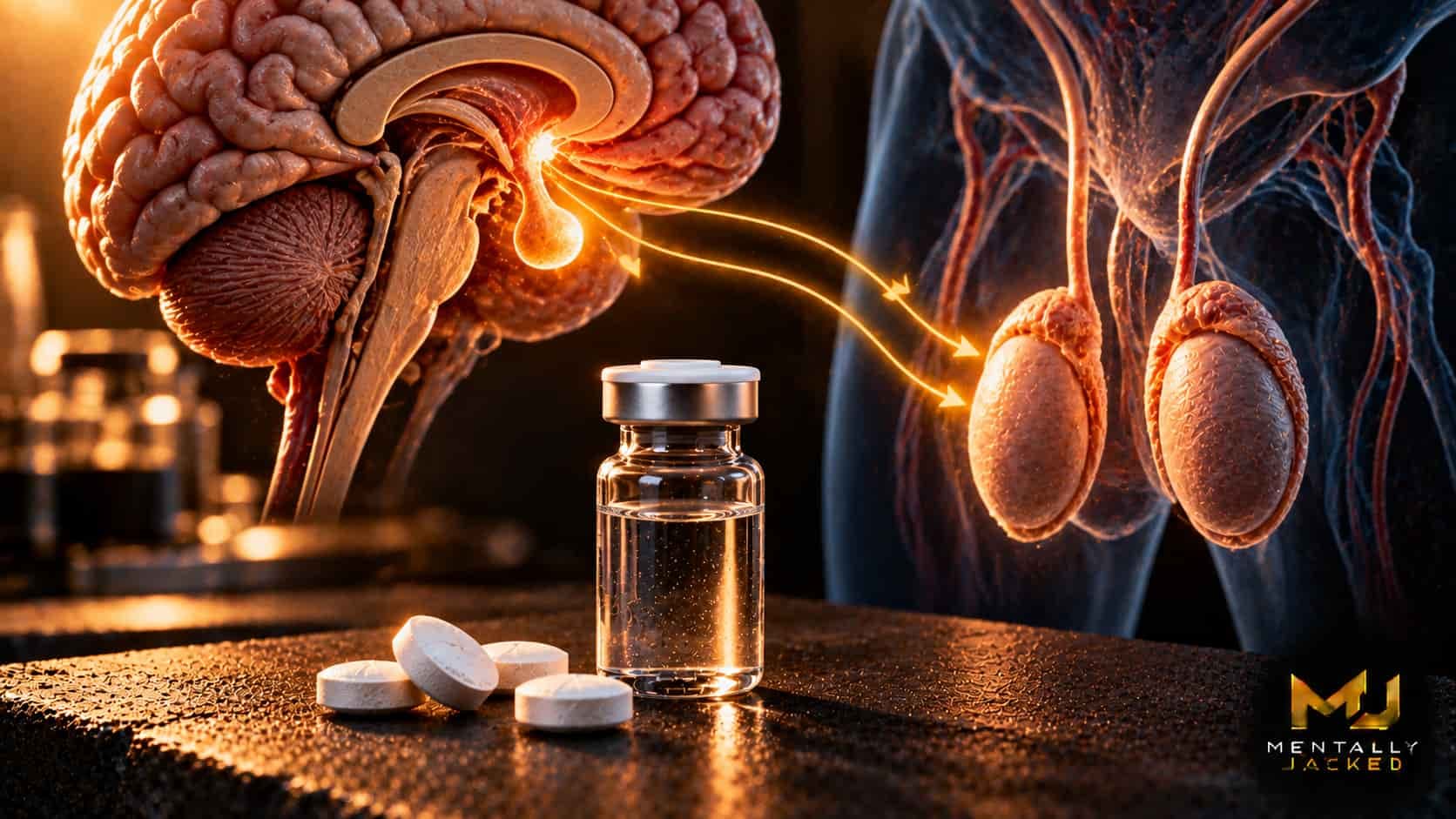
Hormones and Endocrine Health
Hormones and Endocrine Health

Hormones and Endocrine Health

Newsletter
One email when a new guide, calculator or breakdown goes live. Nothing else.